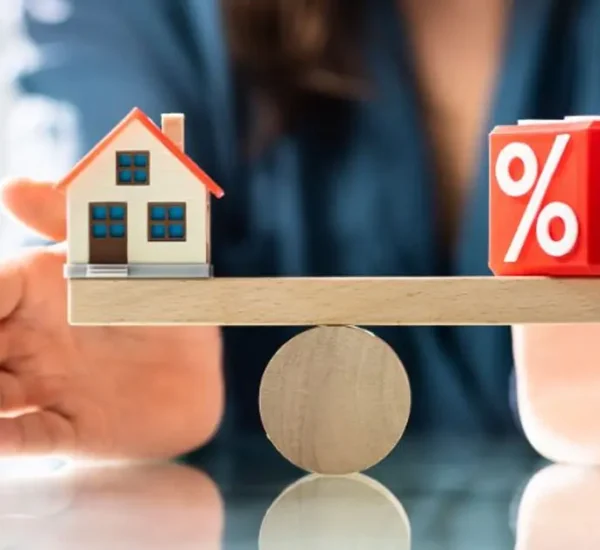

A weak rental can drain your money with a polite smile. It may look fine in photos, feel acceptable during a quick viewing, and still become a slow leak on your time, savings, and patience. A rental property deserves attention only when it works on paper and in real life. That means the numbers, location, tenant appeal, repair burden, and long-term outlook all have to support each other instead of fighting for excuses. You are not buying a story; you are buying a working asset. Good decisions come from seeing the plain truth before emotion starts decorating it. Some investors get distracted by fresh paint, staged rooms, or a seller’s confident tone, then miss the deeper signs that decide whether the place will stay occupied, hold value, and pay its way. Reliable property choices also depend on clear market signals, and platforms focused on property visibility and market presence show how much presentation, trust, and positioning can shape real estate attention. The real test is simple: does this place make sense after the excitement fades?
The Numbers Must Work Before the Property Looks Good
A promising rental starts with math, not mood. The kitchen may look sharp, the street may feel calm, and the listing may sound polished, but weak figures turn charm into a liability. You need to know what the property costs to own, what it can earn, and what it will quietly demand when the first repair bill lands. Numbers do not remove risk. They keep risk from wearing a nice jacket and calling itself opportunity.
Why cash flow potential matters more than the asking price
The purchase price gets too much attention because it is the biggest number on the page. That does not make it the most honest number. Monthly income, loan payments, taxes, insurance, repairs, vacancy, and management costs reveal the truth faster than the price tag ever will. A cheaper unit with poor rent performance can hurt more than a higher-priced home with steady income.
Cash flow potential gives you a cleaner view of whether the property can breathe on its own. A place that only works when everything goes perfectly is not strong; it is fragile. You need room for a broken water heater, a missed month of rent, or a short vacancy without turning the investment into a personal rescue mission.
A grounded example makes this clear. Say one apartment costs less but sits in a building with high service charges and frequent maintenance complaints. Another costs more but has stable tenants nearby, lower upkeep, and stronger rent history. The second option may look less exciting at first, yet its cash flow potential can make it the better long-term choice.
The hidden costs that turn profit into pressure
Repair costs rarely arrive with good timing. They show up after closing, during tenant turnover, or right when you thought the property had settled into a rhythm. Roof issues, plumbing leaks, appliance failures, pest control, repainting, and compliance repairs can turn a neat spreadsheet into a warning label.
The smart move is to price uncertainty before you buy. A property that needs cosmetic work may still make sense if the rent gap supports the upgrade. A property with deep structural trouble, unclear ownership records, or repeated utility issues needs a harsher review. Cheap repairs improve returns. Expensive surprises punish optimism.
You also need to watch recurring costs that feel small in isolation. Association fees, local charges, insurance jumps, yard care, security, cleaning between tenants, and professional management all chip away at income. None of them may kill the deal alone. Together, they decide whether the property pays you or keeps asking for favors.
Rental Property Location Is More Than a Nice Neighborhood
Location matters, but not in the lazy way people repeat it. A beautiful area can still perform poorly if rents are flat, access is awkward, or tenant needs do not match the home. A rougher-looking district can work well if people want to live there for jobs, schools, transport, or price relief. The point is not whether you personally love the place. The point is whether the right tenant has a strong reason to stay.
How rental home location shapes tenant behavior
A strong rental home location solves daily problems. People rent near work routes, schools, transit stops, hospitals, universities, shopping streets, and family networks because life gets easier there. Convenience is not glamour. It is what keeps tenants from leaving when their lease ends.
You should walk the area with a tenant’s eyes, not an owner’s pride. Can someone buy groceries without turning it into a project? Does the commute make sense? Is parking a daily fight? Are the streets active enough to feel safe without being loud enough to irritate everyone at night? These small details affect retention more than a marble countertop ever will.
A counterintuitive truth sits here: the “best” neighborhood is not always the best rental choice. Some premium areas have high purchase prices that leave little room for return. A practical rental home location with steady demand can beat a fashionable address that eats profit before the first tenant moves in.
What local demand says before the listing does
Tenant demand leaves clues everywhere. You can see it in how quickly comparable homes rent, how many listings sit empty, how often prices get reduced, and whether landlords offer free weeks to attract interest. A market does not need to shout. It leaves fingerprints.
Strong tenant demand usually comes from repeated need, not one-time hype. A new office complex, a growing campus, improved transport, or steady population movement can support rentals over time. Short bursts of attention may raise prices for a season, but lasting demand comes from people needing housing for practical reasons.
You also need to separate demand by tenant type. Students, families, young workers, traveling professionals, and retirees look for different things. A small studio near a business district may stay full while a larger home in the same area struggles. Tenant demand only helps when the property matches the people most likely to rent it.
The Physical Condition Decides How Much Peace You Buy
A property is not only an asset; it is a machine with walls. Every pipe, switch, drain, door, roof tile, and appliance either supports your return or waits to interrupt it. Many buyers inspect with hopeful eyes because they want the deal to work. That is dangerous. The building does not care what you hoped to earn. It behaves according to its condition.
Reading property condition beyond cosmetic upgrades
Fresh paint can hide tired systems for about five minutes. A clean floor, modern lighting, and new handles may improve first impressions, but property condition lives deeper than the visible layer. Electrical safety, plumbing age, water pressure, drainage, insulation, roof health, ventilation, and damp signs tell the stronger story.
You need to ask what has been repaired, when it was repaired, and whether the fix solved the cause or covered the symptom. A stain painted over without solving the leak is not maintenance; it is theater. A patched wall near a bathroom deserves more attention than a scratched cabinet in the bedroom.
Solid property condition does not mean the place must be perfect. It means the known issues are priced correctly, repairable without chaos, and unlikely to scare tenants away. A home with honest wear can make a better investment than a glossy one hiding expensive fatigue.
Why tenant-ready does not always mean investment-ready
A home can be ready for someone to move in and still be a weak purchase. Tenant-ready often means it is clean, functional, and acceptable for short-term use. Investment-ready means it can handle years of occupancy, turnover, maintenance, and market pressure without losing its footing.
This difference matters when sellers highlight quick rent potential. A place may attract a tenant next week, but if the bathroom needs replacement in six months and the air conditioning is near failure, your first year could become a repair schedule with rent attached. Fast occupancy feels good. Durable performance pays better.
Look for signs of future workload. Awkward layouts, poor storage, cheap fittings, old windows, low-quality flooring, and hard-to-clean surfaces can create repeated complaints. Tenants may accept these issues at first, then leave when something easier appears. Good investing means buying fewer headaches, not collecting rent from a problem you have not met yet.
The Best Choice Fits the Market, the Tenant, and Your Patience
A worthy rental does not need to be perfect. It needs to fit. It should match local demand, suit the tenant profile, support the financial plan, and stay manageable for the kind of owner you are willing to be. Some investors want hands-on projects. Others want quiet income with fewer calls. Neither path is wrong, but confusing one for the other gets expensive.
Matching the home to the tenant profile
Every rental has a natural audience. A family home needs storage, safety, nearby schools, and enough separation for daily life. A city apartment needs access, security, internet reliability, and easy movement. A shared rental needs practical room sizes and common areas that do not create conflict by design.
The mistake is trying to make one property appeal to everyone. That usually creates a bland offering that excites no one. A sharper choice speaks clearly to a specific renter. When the home fits the tenant’s life, marketing becomes easier, vacancy drops, and lease renewals feel less like persuasion.
Consider a two-bedroom unit near a hospital. It may not look special to a luxury buyer, yet it could suit nurses, interns, visiting staff, or small households that value access over extra space. The lesson is blunt: the best renter for a property may not look like you. That is why your personal taste must sit in the passenger seat.
Knowing when to walk away from a tempting deal
Some deals look attractive because one part shines so brightly that you stop checking the darker corners. A low price, a motivated seller, or a high advertised rent can pull you in before the full picture has earned trust. That is when discipline matters most.
Walk away when the deal needs too many excuses. If the income only works after optimistic rent increases, if repairs are vague, if the area lacks clear demand, or if documents feel messy, the property is asking you to gamble while calling it investing. Patience protects capital better than enthusiasm does.
A strong filter saves you from becoming emotionally attached to weak opportunities. Set your non-negotiables before viewing: minimum return, acceptable repair level, target tenant, location needs, and risk limits. When a property fails those standards, leave it behind. The next option always feels easier when the last mistake did not follow you home.
Conclusion
The strongest rental choices rarely announce themselves with drama. They tend to look sensible, inspect cleanly, attract the right tenant, and hold up under honest math. That may sound less exciting than chasing a bargain, but income property rewards discipline more than adrenaline. A rental property worth owning should make your future calmer, not busier in ways you regret. Before you commit, slow the process down enough to test the deal from every angle: income, expenses, location, repairs, tenant fit, and your own tolerance for involvement. The goal is not to find a flawless home. The goal is to avoid buying a problem that knows how to collect rent for a few months before revealing its real cost. Choose the place that still makes sense after the tour ends, the seller stops talking, and the spreadsheet gets honest. Start with one serious review of the numbers and the neighborhood before you take the next step.
Frequently Asked Questions
What makes a rental home a good investment?
A good rental home earns enough income to cover ownership costs, repairs, vacancy, and risk while still leaving room for profit. It should also sit in an area where renters have clear reasons to stay, such as work access, schools, transport, or fair pricing.
How do I know if a rental home location is strong?
A strong rental home location shows steady renter interest, practical access, and useful nearby services. Look at commute routes, parking, grocery access, schools, noise levels, and how quickly similar homes rent. The best clue is repeated demand from real tenants.
Why is tenant demand important before buying a rental?
Tenant demand tells you whether people want to live in that area and property type. Without it, even a clean home can sit empty or need rent cuts. Strong demand gives you better occupancy, stronger pricing power, and fewer desperate leasing decisions.
What property condition issues should investors check first?
Start with the roof, plumbing, electrical system, damp signs, drainage, heating, cooling, windows, and structural movement. Cosmetic flaws are easier to fix than hidden system problems. A professional inspection can reveal costs that a normal viewing will miss.
How much cash flow should a rental property produce?
The right amount depends on financing, local costs, and risk level, but the income should leave a clear buffer after mortgage payments, taxes, insurance, repairs, vacancy, and management. A deal that breaks even only in perfect conditions is too thin.
Is a cheaper rental always a better deal?
A cheaper rental can become expensive if it needs major repairs, sits in a weak area, or attracts short-term tenants. Price matters, but value comes from income stability, manageable upkeep, and demand. Low cost alone is not a strategy.
Should I buy a rental that needs repairs?
A repair-heavy rental can work when the purchase price reflects the work and the upgraded rent supports the cost. It becomes risky when damage is unclear, contractors are hard to secure, or repairs delay income longer than planned.
What should I review before making an offer on a rental?
Review comparable rents, vacancy trends, repair estimates, ownership costs, local demand, tenant profile, legal documents, and inspection results. A strong offer comes after the property proves it can perform, not after a viewing makes you feel excited.