
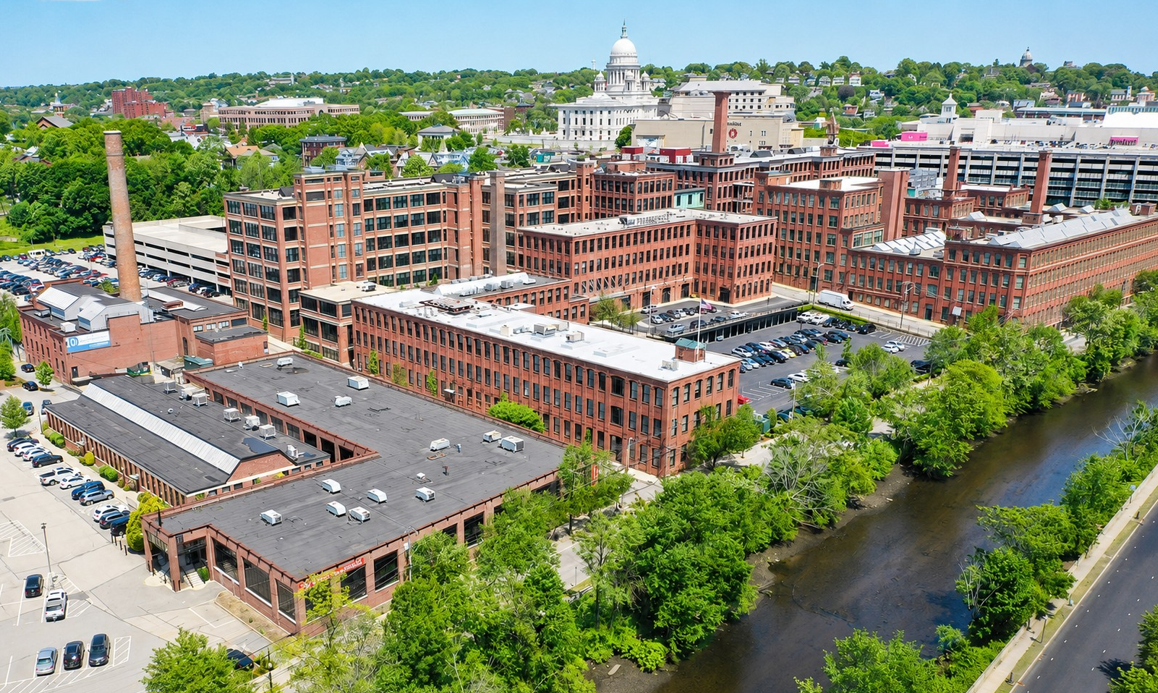
Providence rewards investors who can see value hiding behind tired paint, dated floor plans, and fussy approval rules. For investors, historic property renovation is not about buying the prettiest old house on the block. It is about finding a building with durable demand, repairable bones, and a path to income that still works after permits, carrying costs, and contractor surprises. That makes this city different from faster Sun Belt markets where land, speed, and volume often matter more than character. Providence has old neighborhoods, tight housing supply, strong rental demand, and a local identity tied to buildings people do not want erased. The city says it has nine Local Historic Districts with about 2,635 properties, and the Providence Historic District Commission reviews exterior work in those districts. That can scare off impatient buyers. Good. Less competition often sits where the process looks annoying. If you want sharper local market visibility as you study small U.S. markets, Providence deserves a close look because the best deals here are rarely obvious from a listing photo.
Why Providence Historic Properties Still Have Room for Patient Investors
Providence is not a cheap market anymore, but it still has a renovation story that many investors miss. The city sits between Boston’s high prices, New York’s capital flow, and Rhode Island’s limited land supply. That pressure gives older buildings a second life. A worn three-family near transit, a mixed-use building with a tired storefront, or a grand home cut into awkward apartments may carry more upside than a newer box with fewer surprises. The friction is real, though. Old buildings ask for patience before they offer margin.
Old neighborhoods create demand that newer rentals cannot fake
People rent in Providence for more than square footage. They rent for walkable streets, old brick, tall windows, Brown and RISD energy, hospital jobs, downtown access, and the feeling that the neighborhood has a past. That demand helps historic homes in Providence compete against plain apartments even when the kitchens are smaller or the closets are odd.
A polished unit in a Federal Hill, College Hill, Armory, Elmwood, or West End building can feel warmer than a newer rental with gray floors and no story. Tenants notice the staircase, the porch, the trim, and the morning light. Buyers notice them too. That emotional pull does not replace hard math, but it can protect rent and resale value when the broader market cools.
The non-obvious point is this: charm only pays when function catches up. A beautiful unit with weak heat, damp basement storage, and poor sound control becomes a complaint machine. The best Providence real estate investment projects keep the old texture but fix the daily pain. Insulation, ventilation, laundry access, parking logic, and clean common halls do more for returns than a dramatic kitchen photo.
Rhode Island’s statewide market still shows pressure. Realtor.com reported Rhode Island’s median listing price near $540,000, median rent around $2,400, and Providence’s median listing price around $450,000, with 532 homes for sale and 714 rentals listed in its 2026 data. Those numbers do not mean every deal works. They do mean buyers and renters are already paying real money for location. Renovation has to create a better product, not chase a fantasy.
For a small investor, that might mean buying a dated two-family with legal units and improving layout, safety, and finish quality without overbuilding. For a larger investor, it might mean converting upper floors over a commercial space, if zoning and code allow it. In both cases, the building has to earn its rehab through use, not nostalgia.
The hidden cost is not always the repair bill
Most new investors fear the obvious problems: roof leaks, knob-and-tube wiring, old boilers, and cracked plaster. Those matter. Yet the quiet budget killers are often less dramatic. A narrow stair may complicate egress. A missing permit history may slow financing. A beautiful window may need repair instead of replacement. A basement that looks dry in August may behave differently after a March rain.
Providence’s older housing stock also rewards buyers who inspect like operators, not dreamers. You want sewer line checks, masonry review, moisture readings, electrical panel notes, and a sober look at how tenants will move through the building. A contractor who says “we can make it work” is not enough. You need numbers, sequence, and a plan for what happens when the walls open.
One example: a four-unit property may look underpriced because the rents are low. The listing says “great value-add.” Then you learn two units need full electrical updates, one bathroom sits above a compromised joist, and the rear egress needs work before the city will be happy. The deal may still work, but only if you price it as a building with obligations, not as a rent-growth story.
The counterintuitive move is to pay more attention to boring repairs than pretty upgrades. A quiet mechanical room, a clean permit file, and well-managed water flow can be worth more than designer tile. Tenants may not praise a new main water line, but it can save your year.
That is where a rental renovation budgeting guide fits into your process. Before you argue over purchase price, build a repair map that separates safety, code, preservation, tenant comfort, and cosmetic lift. Providence deals turn dangerous when all five buckets blur into one optimistic rehab number.
Where Historic Property Renovation Can Turn Preservation Rules Into Investor Discipline
Historic rules can feel like a wall, but disciplined investors treat them as a filter. They force you to define the building’s real character, limit wasteful changes, and avoid the sloppy over-renovation that drains margin. The city’s process can slow you down, yet it can also protect a street from cheap exterior decisions that would weaken nearby values. That trade matters in Providence because the neighborhood fabric is part of the asset.
How local review changes your scope before the first bid
In a Providence Local Historic District, exterior work is not something to price casually. The city states that the PHDC acts as a design review body and can approve or deny proposed exterior work in those districts. That means siding, windows, porches, doors, masonry, additions, and visible changes may need more care than a normal rehab.
A smart investor starts with the exterior envelope. What can be repaired? What must be replaced? What original material remains? Which changes are visible from the street? These questions shape the bid before you talk about finishes. They also shape your timeline because review boards and permit offices do not move at investor speed.
This does not mean every project becomes a museum. It means the outside story has to make sense. If the building has old wood windows, replacing them with cheap vinyl may trigger pushback and may also hurt the building’s value. Repairing old windows can cost more upfront, but it may preserve the look that made the property worth buying.
The friction can help you. A buyer who wants a fast flip may walk away from a building that needs design review. A patient buyer can step in, price the delay, and produce a better asset. That is the quiet edge.
Historic homes in Providence often fail when investors fight the building. They remove details, flatten character, and spend money making an old property feel like every other rental. The better play is selective modernization. Keep the porch rhythm. Keep the trim where it matters. Add lighting, better baths, safer stairs, and cleaner storage. Respect the parts people feel.
Why tax credits favor income-producing plans
The federal historic tax credit is not for every old building. The National Park Service says the 20% credit applies to income-producing properties, including commercial, industrial, rental residential, and apartment use, and it does not apply to private owner-occupied residences. That one rule should shape your first question: will this property produce income in a way that fits the program?
Rhode Island tax credits can also matter, though investors need current advice before counting them as cash in the deal. Preserve Rhode Island reported in April 2026 that proposed bills would raise certain state credit levels for projects with multifamily housing and affordable housing components, lower filing fees, and improve transparency around the project queue. Legislation, funding, caps, and timing can change. Do not underwrite based on a headline.
Still, Rhode Island tax credits are worth studying because they can shift the feasibility of a larger rehab. A vacant upper floor above retail, an old mill-style building, or a tired multifamily with eligible status may become more realistic when credits reduce the net cost after approval and completion. The catch is that credits reward documentation, standards, and patience. They punish casual work.
Here is the non-obvious part: tax credits can make a bad deal look better on paper while adding enough process risk to hurt a small investor. Legal fees, consultant costs, architectural work, application timing, and compliance all have to fit the project size. A $3 million rehab may carry that weight. A small duplex may not.
For Providence real estate investment, the better question is not “Can I get credits?” It is “Does the asset still make sense if the credit arrives late, smaller than hoped, or not at all?” If the answer is no, you are not investing. You are waiting for a rescue.
Neighborhood Math: Finding the Right Block Before the Right Building
Once you understand rules and incentives, the next job is local selection. Providence changes block by block. Two streets can sit near the same college, hospital, park, or bus line and perform in different ways. Investors who only search by citywide median prices miss the true spread. The building matters, but the block sets the ceiling. In older cities, the wrong block can turn a good rehab into a long hold with thin patience.
Walkability, anchors, and tenant depth matter more than surface charm
A handsome building in a weak rental pocket can trap money. A plain building near jobs, schools, transit, and neighborhood retail may outperform it. Providence has several demand anchors: universities, hospitals, state government, restaurants, arts venues, and commuter access. The best rentals sit where those anchors touch daily life.
Walk the area at three times: morning, late afternoon, and after dark. Look for people moving on foot, not only cars passing through. Check trash handling, lighting, porch conditions, nearby vacancies, and whether small businesses look stable. These details tell you how tenants will feel after move-in.
A good example is a dated three-family near a bus route and neighborhood retail. The units may need baths, paint, and electrical updates, but the location can support steady demand from workers, students, and young households. Compare that with a grander house on a less convenient street where parking is painful, errands need a car, and tenants have fewer reasons to stay.
The non-obvious insight: the best historic renovation target is not always the most historic-looking property. It is the one where location, layout, and repair scope meet. A plainer early-1900s multifamily with sensible floor plans may beat a dramatic Victorian chopped into strange units. Beauty can distract from bad income design.
This is why your Providence neighborhood due diligence checklist should include tenant profile, parking reality, trash setup, winter maintenance, nearby construction, and rent competition. Pretty photos do not answer those questions.
Small multifamily buildings can beat single showpiece homes
Many investors fall in love with landmark-style houses. They look good on a website and make the buyer feel smart. Yet the strongest small-investor path in Providence may be a legal two-, three-, or four-unit building that needs practical repair. It spreads risk across tenants, creates more income paths, and often fits the city’s existing housing pattern.
Single-family historic houses can work for high-end resale or owner-occupant strategies. For investors, though, they can demand a large rehab budget while producing no income until sale. A small multifamily can let you phase work. Improve one unit, rent it, then move to the next. That rhythm can protect cash.
Rhode Island’s broader housing shortage adds pressure to existing units. Realtor.com’s 2026 forecast said the national market looked steadier, with modest price growth and somewhat stronger sales expected, while local conditions would still shape outcomes. Providence sits in a region where new construction is not simple, cheap, or fast. Existing buildings carry more weight because replacement supply is hard to create.
That does not mean you should buy any multifamily with old trim and hope. Legal use matters. Fire code matters. Lead safety matters. Layout matters. Tenant history matters. A building advertised as “four units” needs proof, not trust. If the tax record, zoning, and physical layout do not agree, the discount may be warning you.
For a grounded example, picture a legal three-family with two occupied units below market and one vacant unit needing full work. A reckless buyer counts future top rents on all three units from day one. A better buyer prices the occupied leases, turns the vacant unit first, sets aside cash for common-area safety, and treats rent growth as a staged outcome. Slower, yes. Safer too.
Risk Control for Renovations That Must Respect the Building
The profit in Providence is not only in buying right. It is in controlling the rehab after closing. Old buildings change the rules because one repair often reveals another. You pull bad paneling and find moisture. You open a ceiling and find past plumbing cuts. You remove carpet and find floors worth saving, but only after careful work. The investor who wins here is not the one with the boldest vision. It is the one with the tightest sequence.
Build the rehab around water, structure, and code first
Start with water. Roof, gutters, grading, flashing, masonry, and basement drainage shape everything else. If water keeps entering the building, finish work becomes decoration over damage. Providence winters and freeze-thaw cycles make this harder on old brick, wood trim, and foundations.
Then check structure. Sagging floors, cut joists, overloaded additions, and old porch framing can turn a cosmetic rehab into a safety project. You do not need panic. You need facts. A structural engineer’s report may feel expensive before closing, but it can save you from buying a building that eats your reserve.
Code comes next. Fire separation, egress, alarms, handrails, lead rules, electrical safety, and occupancy limits all affect rentability. Investors sometimes treat code as a final inspection problem. That is backward. In older Providence buildings, code should guide the scope from the first week.
The counterintuitive part is that cosmetic restraint can make a project better. You may not need to replace every surface. Refinished floors, repaired plaster, restored doors, and clean paint can carry more character than a full gut. Money saved there can go toward systems tenants trust but never see.
A real-world move: keep the original stair rail, repair the plaster where it can be saved, install better lighting, update the fire alarm system, and spend on roof work before high-end counters. That mix may not go viral, but it protects the asset.
Choose contractors who understand old-building patience
Contractor fit can make or break a Providence rehab. A crew that works well on newer suburban homes may struggle with plaster walls, uneven framing, old masonry, and preservation expectations. You need people who know when to repair, when to replace, and when to stop before damaging what gives the building value.
Ask contractors for old-building examples, not only references. Have they repaired wood windows? Worked around occupied units? Managed exterior approvals? Coordinated with architects or preservation consultants? Can they explain why a detail should stay? If they treat every old feature as junk, they may be wrong for the job.
You also need a schedule that respects tenant life. Many older multifamily properties stay occupied during work. That adds coordination. It also adds legal and ethical duties. Heat, safety, access, noise, dust, and notices must be managed. A tenant who feels ignored can turn a planned project into conflict.
The non-obvious insight is that the cheapest bid can erase the profit twice. First through change orders. Then through lost character. A rushed window replacement, bad porch repair, or careless masonry work can reduce long-term value and create approval problems. Providence buyers often pay for authenticity. Do not hire someone to sand it off.
Investors should also keep a contingency that matches the building’s age. A light cosmetic job may need a smaller reserve. A deep rehab in a protected area needs more. The number depends on scope, but the mindset is fixed: old buildings do not forgive thin budgets.
Conclusion
Providence is not a market for investors who need every answer before they write an offer. It asks for judgment, patience, and respect for buildings that have already survived several versions of the city. The upside comes from pairing old character with modern comfort, then letting location and scarce supply do part of the work. Historic property renovation can still create strong investor returns here, but only when the deal survives permit timing, repair depth, tenant demand, and sober financing. The wrong buyer sees design review, aging systems, and uneven floors as problems. The right buyer sees filters that remove weaker competition. That is the whole point. Providence does not hand out easy wins. It rewards people who inspect closely, budget honestly, and improve buildings without stripping away the reason people wanted them in the first place. Start with the block, prove the use, price the risk, and renovate like the next owner will know the difference.
Frequently Asked Questions
How much does it cost to renovate a historic property in Providence?
Costs vary by size, condition, code needs, and exterior review. A light unit refresh may stay manageable, while structural, roof, window, masonry, or systems work can raise the budget fast. Always inspect before bidding and carry a reserve for hidden old-building issues.
Is Providence a good market for historic real estate investors?
Yes, for patient buyers with strong due diligence. The city has old housing stock, steady renter demand, and limited supply. The better opportunities are usually in practical multifamily properties, mixed-use buildings, and tired assets where repairs are clear and location supports income.
Do Providence historic districts stop owners from renovating?
No, but they can shape exterior work. Owners may need approval for visible changes in Local Historic Districts. Interior work may still need normal permits, code review, or inspections. The process rewards early planning and punishes rushed design decisions.
Can investors use federal tax credits on Providence rental properties?
Eligible income-producing historic buildings may qualify if the project meets federal rules. Rental residential use can qualify, but private owner-occupied residences do not. Investors should speak with a tax-credit consultant before assuming credits will fit their project.
What type of Providence property is best for renovation income?
Legal two-, three-, and four-unit buildings often work well because they spread rent risk and allow staged improvements. Mixed-use buildings can also work when zoning, layout, and demand line up. The best property is the one with repairable problems and proven tenant demand.
Are historic homes in Providence harder to finance?
They can be if condition issues affect appraisal, insurance, or lender comfort. Properties needing major work may require renovation loans, private capital, or commercial financing. Clean documentation, realistic bids, and proof of legal use help lenders understand the deal.
What should investors inspect first in an old Providence building?
Start with roof, water entry, foundation, structure, electrical service, heating, plumbing, sewer line, and fire safety. Cosmetic issues matter later. A cheap-looking repair can hide expensive damage, so bring inspectors and contractors who understand older New England buildings.
Is it better to restore or modernize a Providence historic rental?
The best answer is usually both. Keep character where tenants and buyers feel it, then modernize comfort, safety, and function. Repaired trim, good light, updated systems, clean kitchens, strong heat, and quiet common areas can work better than a full character-erasing remodel.