
The modern home is no longer just a place to live. It has become a workspace, a learning environment, a wellness retreat, and a hub for entertainment. As lifestyles continue to evolve, homeowners are placing greater value on properties that can adapt to changing needs without requiring major renovations. Future ready homes are designed with flexibility, efficiency, and comfort in mind, making them a smart investment for both present and long term living.
Whether someone is buying a first home or upgrading to a larger property, choosing features that support future lifestyle expectations can improve convenience while increasing the home’s value over time.
Flexible Living Spaces Inspired By PM Kishan Kist
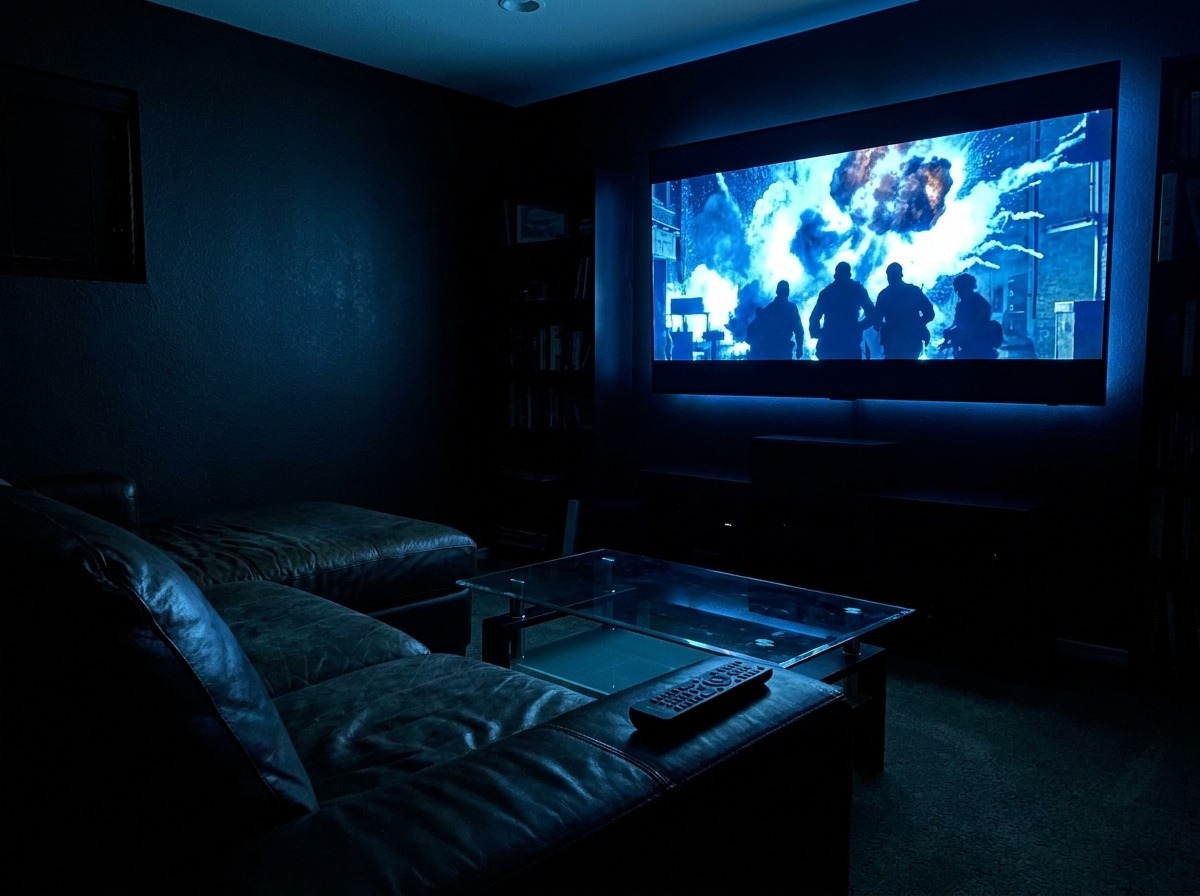
One of the defining characteristics of a future ready home is flexibility. Rooms that can serve multiple purposes allow homeowners to adapt their living spaces as circumstances change. A guest room can become a home office, while a finished basement may function as a fitness area, media room, or study space.
Open floor plans also make it easier to reconfigure furniture and create separate activity zones without structural modifications. Families benefit from spaces that can grow with children, accommodate remote work, or support aging relatives. Just as organized planning is important in programs such as PM kishan kist, thoughtful home layouts help households respond to changing priorities with ease.
Smart Technology Integration With CM Yuva Udyami Yojana Up Online Registration
Technology has become an essential part of everyday living. Future ready homes are designed to support connected devices that improve comfort, safety, and energy efficiency. Smart lighting, programmable thermostats, automated security systems, and voice controlled appliances simplify daily routines while reducing energy consumption.
Reliable high speed internet infrastructure has also become a necessity rather than a luxury. With more people working and studying from home, strong digital connectivity supports productivity and communication. Similar to completing important online processes such as CM yuva udyami yojana up online registration, integrated technology allows homeowners to manage many aspects of their homes with greater convenience.
Sustainable Design For Long Term Value Using Kaveri 2 Online
Sustainability continues to influence residential design as homeowners seek properties that reduce operating costs and environmental impact. Energy efficient windows, high quality insulation, solar panels, water saving fixtures, and efficient heating and cooling systems contribute to lower utility bills while improving indoor comfort.
Durable construction materials also reduce maintenance requirements and extend the lifespan of the home. Landscaping that requires less water and supports natural biodiversity further enhances sustainability. Just as digital property management systems like kaveri 2 online improve access to important information, sustainable home features provide lasting practical benefits that continue to pay dividends for years.
Planning Ahead With https://bhumi-jankari.com
Future ready homes are built with long term adaptability in mind. Wider doorways, step free entrances, and accessible bathrooms allow residents to remain comfortable as their mobility needs change. Extra storage, expandable living areas, and well planned utility spaces also improve functionality throughout different stages of life.
Homeowners increasingly research market trends and property information before making purchasing decisions. Resources such as https://bhumi-jankari.com reflect the growing importance of accessible digital information when evaluating real estate opportunities. Combining informed decision making with adaptable home design creates properties that remain valuable in changing markets.
Wellness Focused Living Environments
Health and well being have become central priorities in modern home design. Natural lighting, effective ventilation, and indoor air quality contribute to healthier living spaces while improving comfort and productivity. Large windows create brighter interiors and reduce dependence on artificial lighting during the day.
Outdoor living areas have also gained popularity. Patios, gardens, balconies, and landscaped yards provide opportunities for relaxation, recreation, and social gatherings. Even compact outdoor spaces can improve quality of life by encouraging people to spend more time in fresh air and natural surroundings.
Noise reduction features, dedicated relaxation spaces, and comfortable interior layouts further support mental wellness. Homes designed with these elements help residents maintain a healthy balance between work, family responsibilities, and personal time.
Investing In Homes That Adapt To The Future
The housing market continues to reward properties that combine functionality with long term flexibility. Buyers increasingly value homes that can accommodate technological advances, changing family structures, and evolving work arrangements without requiring extensive remodeling.
Builders and homeowners who invest in quality construction, energy efficiency, adaptable layouts, and modern infrastructure position their properties for continued demand. Rather than chasing temporary design trends, future ready homes focus on features that remain useful regardless of changing lifestyles.
Conclusion
Future ready homes are designed to evolve alongside the people who live in them. Flexible floor plans, integrated smart technology, sustainable construction, accessible design, and wellness focused features all contribute to lasting comfort and value. These qualities not only improve everyday living but also strengthen long term investment potential. As lifestyle expectations continue to change, homeowners who prioritize adaptability and thoughtful planning will enjoy spaces that remain practical, efficient, and enjoyable for many years. A home that is prepared for the future provides more than shelter. It offers lasting confidence, convenience, and a foundation for every stage of life.